
Why color coated steel outperforms galvanized steel in coastal construction projects
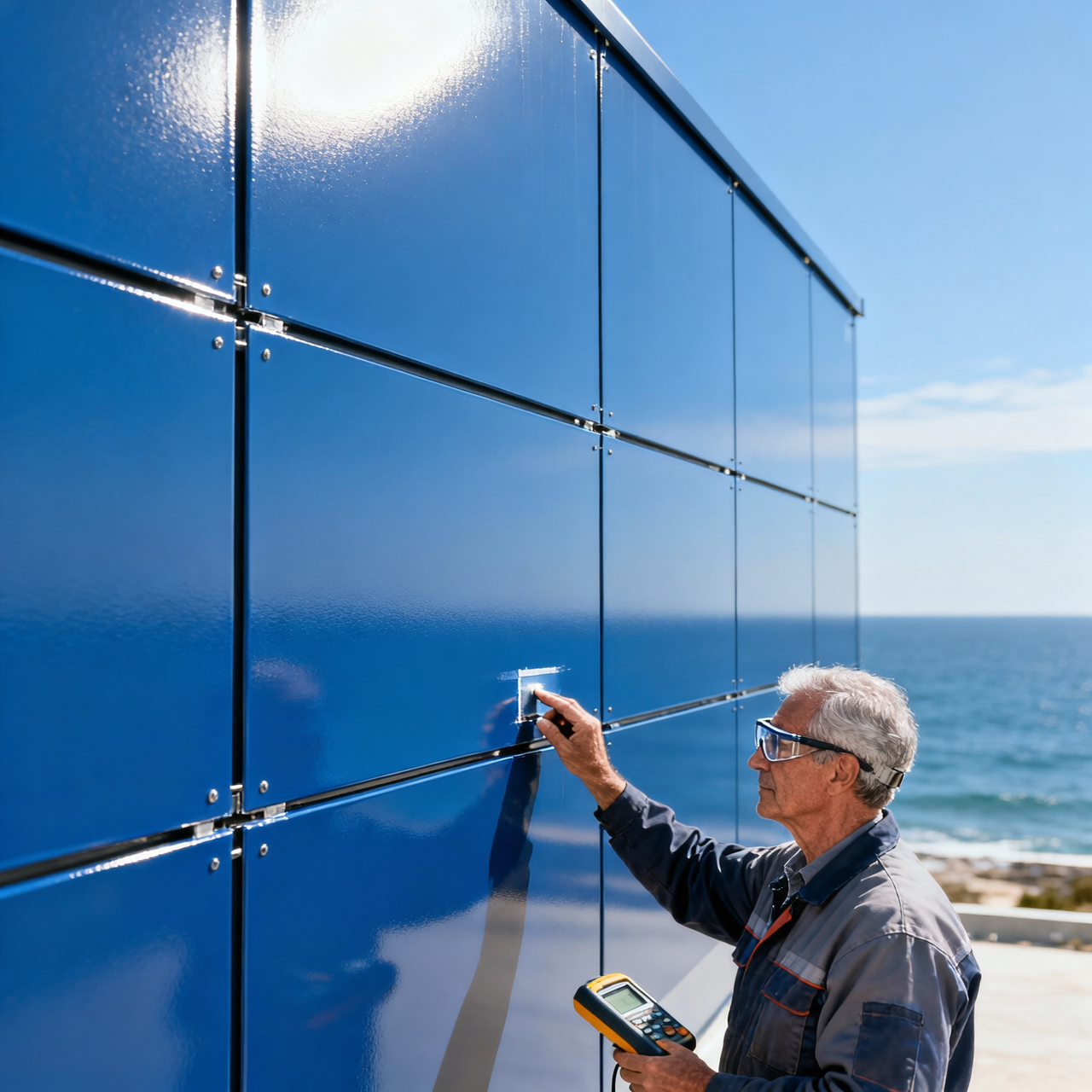
In coastal construction projects, where salt-laden air and high humidity accelerate corrosion, choosing the right material is mission-critical. Color Coated Steel delivers superior protection, aesthetics, and longevity compared to traditional galvanized steel—thanks to its multi-layered organic coating system that resists UV degradation, chalking, and chloride attack. For enterprise decision-makers, project managers, distributors, and end users alike, this performance edge translates into lower lifecycle costs, reduced maintenance, and enhanced building durability. Discover why Color Coated Steel is rapidly becoming the benchmark for resilient, sustainable infrastructure along coastlines worldwide.
Corrosion Resistance: Why Chloride Exposure Demands More Than Zinc Alone
Galvanized steel relies on a zinc layer (typically 80–275 g/m²) to act as a sacrificial anode against rust. In inland environments, this provides reliable service for 20–30 years. But in coastal zones—within 500 meters of seawater—the chloride ion concentration in airborne salt spray exceeds 150 mg/m²/day, accelerating zinc depletion by up to 4×. Field studies from the ISO 9223 C5-M corrosion category show galvanized coatings can lose 12–18 µm of thickness annually under continuous marine exposure.
Color Coated Steel starts with either hot-dip galvanized (HDG) or galvalume (55% Al–43.5% Zn–1.5% Si) substrate—then adds a chemically treated passivation layer, followed by 15–25 µm of polyester, PVDF, or SMP organic topcoat. This multilayer barrier physically blocks chloride ingress while resisting UV-induced polymer chain scission. Accelerated salt-spray testing (ASTM B117) confirms color coated panels withstand 3,000–5,000 hours without red rust—versus just 500–1,200 hours for standard galvanized steel.
The difference isn’t incremental—it’s structural. While galvanized steel corrodes from the substrate upward once zinc is consumed, color coated systems maintain integrity through interlayer adhesion and self-healing primer chemistry. That means no hidden pitting beneath flaking zinc—a common failure mode observed in coastal roofing after Year 7.
This data reflects real-world performance—not lab idealism. The extended service life directly reduces lifecycle cost per square meter: a 30-year color coated roof incurs ~40% less total ownership cost than a galvanized alternative requiring recoating at Year 12 and full replacement by Year 20.
Lifecycle Economics: Beyond Upfront Price Tags
Procurement teams often prioritize initial unit cost—where galvanized steel appears 18–25% cheaper per tonne. But coastal projects demand lifecycle thinking. A typical 10,000 m² commercial façade using galvanized steel requires inspection every 18 months, touch-up painting every 5 years, and full panel replacement by Year 15 due to white rust formation and coating delamination. Labor, scaffolding, and downtime add 65–80% to nominal material cost over time.
Color coated systems eliminate scheduled maintenance for ≥20 years when installed per EN 10169 and EN 10162 standards. Their factory-applied finish ensures consistent film thickness (±2 µm tolerance), eliminating field-applied inconsistencies that cause premature failure in painted-on-site alternatives. And because color coated coils are pre-fabricated into profiles offsite, installation time drops by 22–30% versus site-painted galvanized components—reducing labor cost and weather-related delays.
For distributors and contractors, this translates into stronger bid competitiveness: fewer call-backs, higher client retention, and eligibility for green building certifications (LEED v4.1 MR Credit 3, BREEAM Mat 03) that reward low-maintenance, long-life materials.
Design Flexibility & Aesthetic Longevity
Coastal architecture increasingly demands both resilience and visual distinction—whether for resort façades, port authority buildings, or seaside research facilities. Galvanized steel offers only one aesthetic: matte gray, prone to uneven weathering and staining from salt deposits within 6–12 months. Its surface cannot be reliably recoated onsite without extensive abrasive blasting (SSPC-SP10/NACE No. 2).
Color coated steel delivers 200+ RAL/BS/Custom colors with guaranteed color consistency across batches (ΔE ≤ 1.0). PVDF-based coatings retain >90% gloss and<5% color shift after 10 years of direct coastal exposure—verified by independent third-party testing (e.g., SGS, TÜV Rheinland). Architects specify it for curved cladding, perforated panels, and custom embossing—capabilities unsupported by post-galvanizing processes.
Moreover, modern coil coating lines apply antimicrobial and self-cleaning topcoats (e.g., TiO₂-infused acrylics) that reduce biofilm growth—critical for humid, warm coastal climates where algae and lichen colonization accelerates on untreated metal surfaces.
Procurement & Specification Checklist for Coastal Projects
To ensure optimal performance, specify color coated steel using these six non-negotiable criteria:
- Substrate: Minimum AZ150 (150 g/m² aluminum-zinc alloy) or Z275 (275 g/m² zinc) per EN 10346
- Passivation: Chromate-free, trivalent chromium treatment (e.g., Cr³⁺ or Zr/Ti-based) compliant with RoHS/REACH
- Topcoat Type: PVDF (70% resin + 30% pigment) for critical infrastructure; SMP for mid-tier budgets
- Film Thickness: Total dry film thickness ≥ 25 µm (primer + topcoat), verified via magnetic induction gauge (ISO 2808)
- Certification: Valid EN 10169 Type CC2 or CC3 declaration, plus independent salt-spray test report (≥3,000 hrs)
- Warranty: Minimum 25-year written warranty covering chalking, fading, and delamination under coastal conditions
Avoid “dual-certified” products claiming both EN 10169 and ASTM A755 compliance unless verified by batch-specific test reports. Cross-reference mill certificates with actual coil lot numbers—coastal projects have zero margin for substitution risk.
Common Misconceptions & Risk Mitigation Strategies
Misconception #1: “All color coated steel performs equally near oceans.” Reality: Polyester-coated grades fail rapidly under UV + chloride synergy—only PVDF and high-performance SMP formulations deliver proven coastal resilience.
Misconception #2: “Thicker zinc = better protection.” Reality: Zinc thickness matters less than coating integrity. A 275 g/m² galvanized sheet with poor spangle control or inconsistent passivation corrodes faster than a 150 g/m² galvalume base with robust organic overlay.
Mitigation starts with supplier qualification: require evidence of ≥5 years’ documented coastal project references, third-party accelerated aging data, and adherence to EN 10162 profile tolerances (±0.3 mm for 1.2 mm thick sheets). Also mandate joint inspection during coil receipt—checking for edge damage, coating scratches, and moisture contamination in packaging.
FAQ: Key Questions from Project Teams
Q: What’s the minimum safe distance from shoreline to consider color coated steel mandatory?
A: Within 1 km of open coastline or tidal estuaries, color coated steel is strongly recommended. Between 1–5 km, PVDF-grade remains cost-effective if prevailing winds carry marine aerosols—confirmed via local meteorological data (e.g., NOAA Coastal Erosion Risk Index).
Q: Can color coated steel be welded or cut onsite without compromising corrosion resistance?
A: Yes—but only with proper edge-sealing. Cut edges must receive touch-up coating (per ASTM D1654 rating ≥8) within 4 hours. Weld zones require post-treatment with zinc-rich cold galvanizing compound meeting ISO 12944-7 C5-M requirements.
Q: What’s the typical lead time for custom-color orders?
A: Standard RAL colors ship in 7–10 working days. Custom formulations require 21–28 days for lab approval, pilot run, and full production—plan accordingly for fast-tracked coastal developments.
Color Coated Steel isn’t merely an upgrade—it’s the engineered response to coastal construction’s most persistent challenge: balancing durability, design intent, and long-term value. For decision-makers weighing material options, the evidence is unambiguous: superior chloride resistance, quantifiable lifecycle savings, and unmatched aesthetic reliability make it the strategic choice for infrastructure where failure is not an option. Request a coastal performance datasheet and project-specific specification guide today.
Related Posts
- ▶ Following Successful Exhibition, Overseas Clients Visit Our Manufacturing Factory for On‑Site Inspection
- ▶ Post‑Exhibition Days: Zhentong Steel Team Keeps Busy With Client Visits Across Malaysia
- ▶ Post‑MTE 2026: Zhentong Steel Team Conducts On‑Site Local Customer Visits Across Malaysia
- ▶ MTE 2026 Kuala Lumpur: Zhentong Steel Concludes Successful Exhibition at Booth 2J06
- ▶ Day 2 at MTE 2026 Kuala Lumpur: Zhentong Steel Keeps Busy With Buyer Meetings at Booth 2J06
- ▶ Liaocheng Zhentong Steel Pipe Shines at MTE 2026 in Kuala Lumpur
Send Us A Message

